Simha’s company, Indivoyages, specializes in creating curated travel experiences for individuals and groups, focusing on adventure and wellness. They offer a range of activities, from rock climbing and kayaking to yoga retreats and meditation sessions. “We believe that travel should be an experience that nourishes the body, mind, and soul,” Simha explained. Indivoyages’ approach to travel is holistic, encompassing not just physical activities but also cultural immersion and personal growth.
This statement reflects the growing trend of people seeking solace and rejuvenation in outdoor spaces during the pandemic. The pandemic, with its restrictions and lockdowns, forced people to re-evaluate their relationship with the outdoors. It highlighted the importance of nature and its therapeutic benefits. The pandemic also led to a surge in the popularity of outdoor activities like gardening, hiking, and cycling. These activities provided a welcome escape from the confines of home and offered a healthy alternative to indoor activities. The pandemic’s impact on outdoor spaces is multifaceted. It has not only increased the demand for outdoor spaces but also led to a shift in how people perceive and utilize these spaces. For instance, the pandemic has prompted a re-evaluation of public parks and green spaces. People are now more aware of their importance for mental health and well-being.
* Adult playgrounds: A haven for connection and responsibility.
This sense of belonging fosters a sense of responsibility and encourages people to look after each other. The concept of adult playgrounds is not new. It has been around for decades, with examples like the “Playgrounds for Grown-Ups” in the UK. These spaces have been used for various purposes, from promoting physical activity to fostering social connections.
The social aspect of online gaming is a powerful force that can drive engagement and participation. This is because online games often feature social features such as chat, guilds, and leaderboards. These features allow players to connect with each other, collaborate, and compete. For example, players can join guilds to work together on challenging tasks, or they can chat with friends and other players to strategize and coordinate their actions. Furthermore, leaderboards can motivate players to improve their skills and strive for higher rankings.
This idea is based on the design principles of universal design, which emphasizes accessibility and inclusivity for all individuals. Universal design aims to create spaces that are usable by people of all ages, abilities, and backgrounds. The concept of tactile coloured flooring is not a new one. It has been used in various settings, including public spaces, schools, and hospitals, to enhance accessibility for people with visual impairments. Tactile coloured flooring can be used to create pathways, distinguish different zones, and even provide visual cues for people with cognitive impairments. In the context of Srishti Manipal Institute of Art, Design and Technology, this idea is being explored as part of a larger project aimed at creating a more inclusive and accessible campus.
“These are the muscles that are not used in our daily lives, and therefore, they become weak,” he explained. “By engaging in activities on the playground, we can strengthen these muscles and improve our overall fitness.”
For instance, the pull-up bar on a playground can be used for a variety of exercises, including pull-ups, chin-ups, and assisted pull-ups. These exercises target the back, biceps, and forearms, strengthening these muscles. Similarly, the monkey bars can be used for a variety of exercises, including pull-ups, dips, and handstands. These exercises target the chest, shoulders, and triceps, strengthening these muscles. Furthermore, playground equipment can be used for functional exercises, which are exercises that mimic real-world movements. These exercises can improve balance, coordination, and agility. Examples of functional exercises include climbing stairs, jumping rope, and playing tag.
## The Future of Playgrounds: Beyond Just Fun
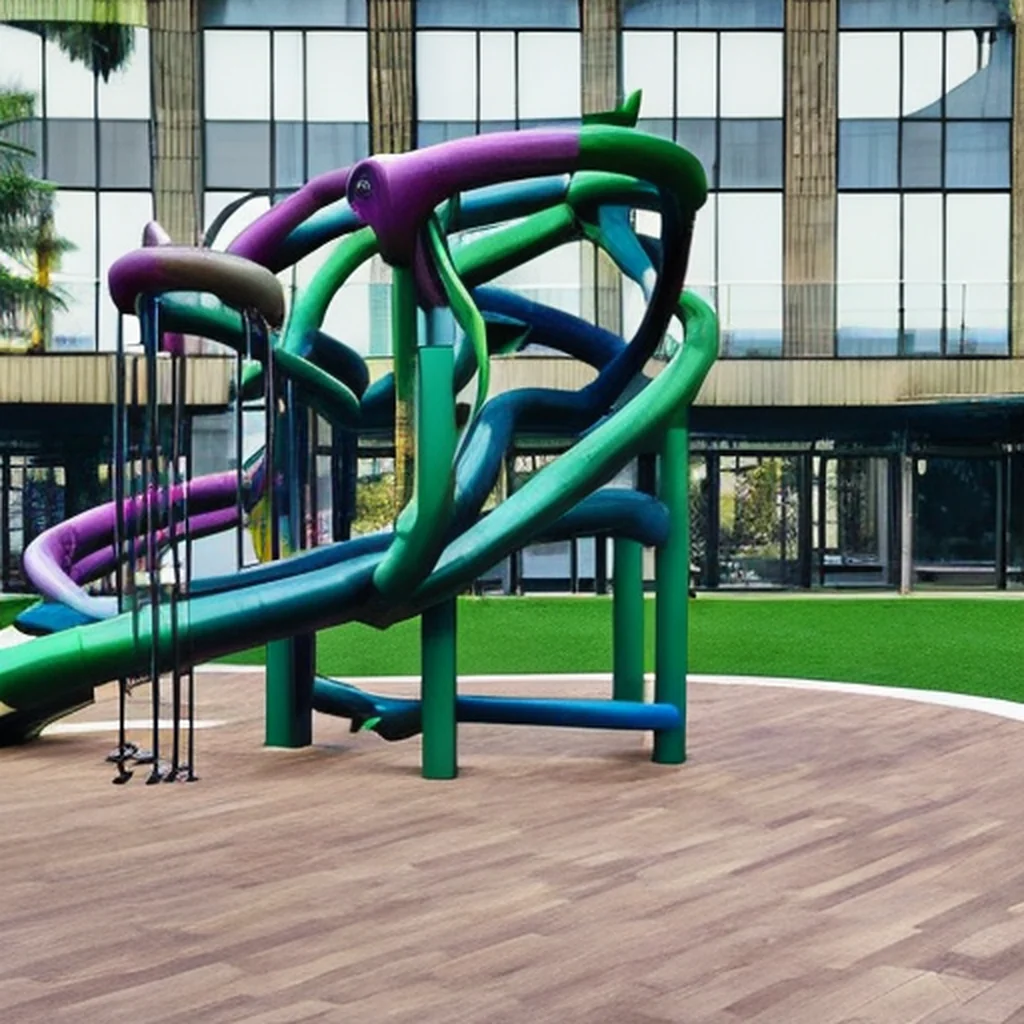
The traditional image of a playground is one of carefree fun, filled with swings, slides, and climbing frames. However, this idyllic vision is evolving, and the future of playgrounds is taking shape in exciting new directions. Driven by the growing emphasis on health and fitness, adults are seeking out these spaces to engage in activities that go beyond simply being a child. Adult playgrounds are becoming increasingly popular, offering a sense of nostalgia and a chance to reconnect with a simpler time. But this is only the beginning. As the concept evolves, we see the emergence of a more sophisticated playground that goes beyond fun.
**
The burgeoning popularity of adult playgrounds reflects a growing desire for playful experiences beyond the confines of traditional leisure activities. These spaces, designed to cater to adults seeking a sense of childlike joy and camaraderie, are becoming increasingly common, offering a unique opportunity for social interaction and recreation. However, despite this growing trend, there’s a clear need for improvement in terms of design and functionality to truly maximize their potential. One key area for enhancement is the incorporation of more adventurous elements.