The Microbiome Revolution: How Your Gut Shapes Everything from Mood to Longevity
In recent years, groundbreaking research has revealed that our gut is far more than just a digestive organ—it’s an intricate ecosystem teeming with trillions of microbes that influence nearly every aspect of our health. From mental clarity to immune function, the state of your gut microbiota can determine whether you thrive or merely survive.
This revelation has sparked what many call the “microbiome revolution,” where scientists are uncovering how these microscopic inhabitants shape everything from weight management to chronic disease risk. Understanding this complex system offers powerful tools for transforming both physical and mental well-being.
The Hidden Organ: Unveiling the Power of Your Gut Ecosystem
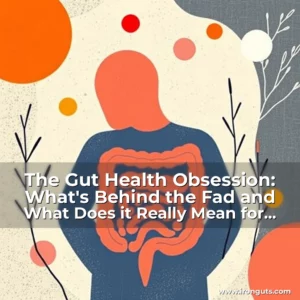
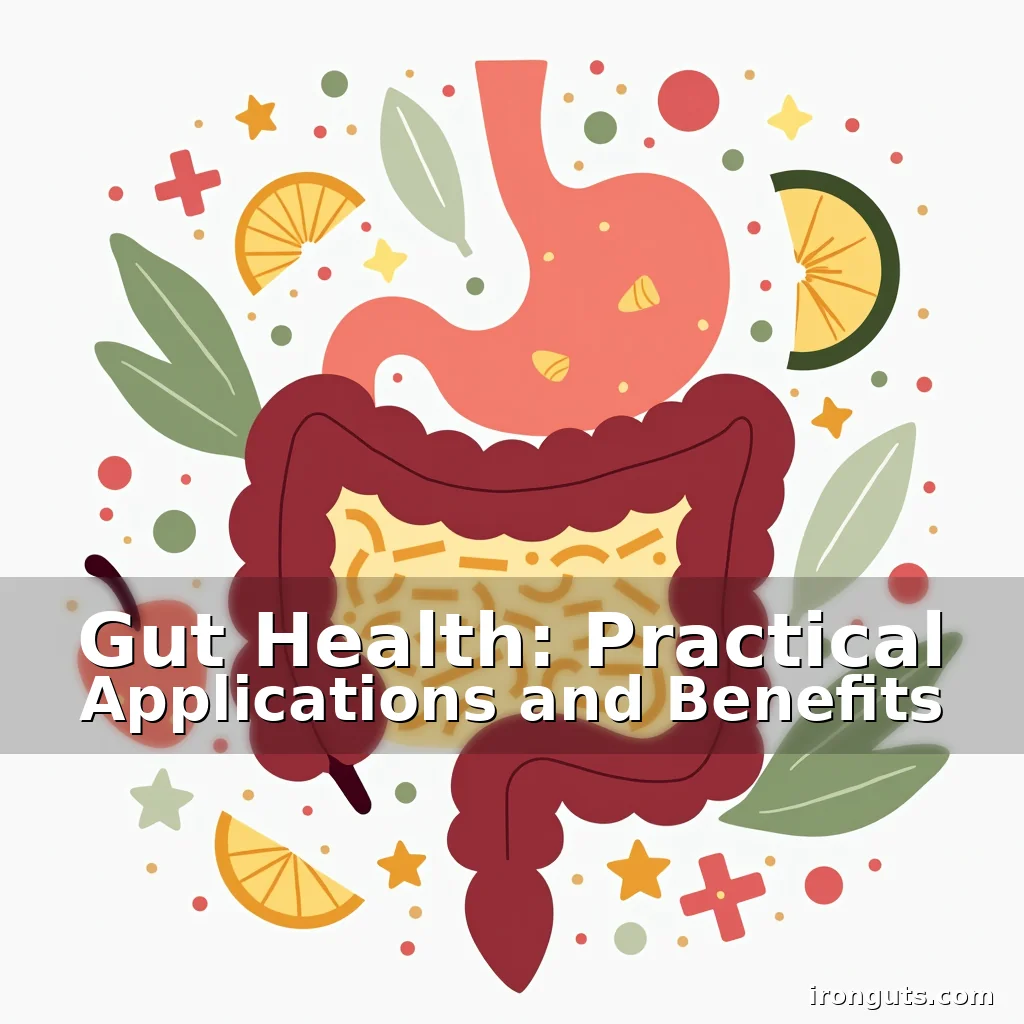
Your gastrointestinal tract hosts over 100 trillion microorganisms—more cells than exist in the entire human body. This vast microbial community, known as the gut microbiota, plays critical roles in digestion, immunity, and even brain function through the gut-brain axis.
These microbes help break down complex foods we couldn’t digest alone while producing essential nutrients like vitamin K and certain B vitamins. More surprisingly, they also communicate constantly with the nervous system via neural pathways, hormonal signals, and immune messengers.
- Digestive Support: Beneficial bacteria ferment dietary fiber into short-chain fatty acids that nourish intestinal cells and regulate inflammation
- Mental Wellness: The vagus nerve connects gut microbes to the brain, influencing mood regulation and stress response mechanisms
Gut-Brain Axis: When Your Stomach Talks Back to Your Mind
Emerging evidence shows that imbalances in gut flora can contribute to anxiety, depression, and cognitive decline. Researchers have identified specific bacterial strains associated with improved emotional resilience and sharper memory retention.
A compelling study published in Nature Neuroscience found that mice raised in germ-free environments exhibited heightened anxiety-like behaviors compared to those with normal gut populations. This suggests our microbiomes play an active role in shaping psychological states.
The Neurochemical Connection
The gut produces approximately 90% of serotonin—the neurotransmitter linked to happiness and relaxation. These serotonergic neurons reside primarily in the enteric nervous system, often called the “second brain.” Disruptions here may explain why people with IBS frequently experience anxiety symptoms.
Further research indicates that probiotic supplementation can alter brain activity patterns related to emotion processing. In clinical trials, participants who took Lactobacillus rhamnosus showed reduced amygdala reactivity when viewing threatening images—a promising sign for treating anxiety disorders naturally.
Nourishing Your Inner Garden: What Foods Feed Good Bacteria?
Cultivating a healthy gut requires feeding its microbial residents with the right nutrients. Fermented foods like kimchi, sauerkraut, and kefir contain live cultures that boost beneficial bacteria levels. Prebiotic-rich foods such as garlic and onions provide fuel for existing good microbes.
Dietary diversity appears crucial for maintaining a robust microbiome. A landmark study from the Weizmann Institute discovered that individuals consuming over 30 different plant-based foods weekly had significantly greater microbial diversity compared to those eating fewer varieties.
Superfoods for Microbial Diversity
Polyphenol-rich foods like dark chocolate, berries, and green tea act as prebiotics by promoting growth of friendly bacteria. Research shows these compounds selectively feed Akkermansia muciniphila—an emerging star in gut health due to its protective effects against metabolic syndrome.
Fiber intake remains foundational for optimal gut health. Soluble fibers from oats and legumes become food for beneficial bacteria, while insoluble fibers add bulk to stool and promote regular bowel movements. Aim for at least 25-30 grams daily from whole foods rather than supplements.
Symptoms That Signal a Leaky Gut: Recognizing Warning Signs
Chronic fatigue, frequent infections, and unexplained weight changes can indicate compromised gut integrity. One telltale sign is increased permeability of the intestinal lining, allowing toxins and undigested proteins to leak into the bloodstream.
This condition, known medically as “leaky gut syndrome,” triggers systemic inflammation and autoimmune reactions. Common manifestations include bloating after meals, skin issues like eczema, and persistent low energy despite adequate sleep.
Detecting Intestinal Permeability
Simple blood tests measuring antibodies to zonulin (a protein regulating tight junctions) offer objective measures of gut barrier dysfunction. Elevated levels correlate strongly with conditions like celiac disease and inflammatory bowel disorders.
Functional medicine practitioners often recommend the lactulose/mannitol test as a gold standard diagnostic tool. Patients drink a solution containing these sugars and then urine samples analyze absorption rates to assess intestinal permeability accurately.
Restoring Balance: Proven Strategies for Healing Your Gut
Healing a damaged gut begins with eliminating irritants like processed foods, artificial sweeteners, and excessive alcohol consumption. Incorporating anti-inflammatory spices such as turmeric and ginger helps reduce gut lining irritation naturally.
Proper hydration supports mucus production which protects the intestinal wall. Drinking enough water—at least eight glasses daily—keeps stools soft and prevents constipation-related damage to the colon lining.
The Role of Sleep in Gut Repair
Quality sleep is vital for gut healing as it regulates hormone balance affecting appetite and digestion. During deep sleep stages, the body repairs tissue including the intestinal epithelium through specialized regenerative processes.
Lack of sufficient rest disrupts circadian rhythms governing motility and secretion within the GI tract. Maintaining consistent sleep schedules improves overall gut function and enhances effectiveness of other healing strategies.
Preventative Measures: Building Resilience Before Problems Arise
Establishing strong gut health early in life creates lasting benefits across generations. Breastfeeding provides essential antibodies and promotes development of beneficial bacterial colonies in infants’ intestines.
Vaccinations protect against pathogens that could permanently alter gut flora composition. Even common childhood illnesses like rotavirus require careful monitoring to prevent long-term digestive complications.
Environmental Factors Shaping Our Microbiome
Modern lifestyles filled with sanitizers and antibiotics unintentionally destroy beneficial bacteria alongside harmful ones. Limiting unnecessary antibiotic use preserves natural defenses against pathogenic invaders.
Exposure to nature—including soil organisms and pet dander—helps diversify our microbiomes. Children growing up on farms show lower incidence of allergies and asthma, likely due to this enhanced microbial exposure during formative developmental periods.
Beyond the Basics: Advanced Insights into Gut-Linked Diseases
Recent discoveries link gut dysbiosis to various degenerative diseases beyond traditional GI disorders. Alzheimer’s researchers now consider neurodegeneration as potentially starting in the gut before manifesting in the brain.
Autoimmune conditions like Hashimoto’s thyroiditis often begin with altered gut microbiota profiles. Restoring microbial equilibrium through targeted interventions may halt progression of these chronic illnesses effectively.
The Microbiome and Cancer Risk
Studies reveal significant differences between cancer patients’ gut bacteria compositions versus healthy controls. Certain bacterial species appear to either increase or decrease carcinogenesis risks depending on their metabolic activities.
Ongoing clinical trials investigate fecal microbiota transplants as potential therapies for colorectal cancers resistant to conventional treatments. Early results suggest restoring balanced microbial communities might enhance treatment responses dramatically.
The Future of Gut Medicine: Personalized Treatment Approaches
Advances in DNA sequencing technology allow doctors to map individual microbiomes precisely. Customized diets based on personal gut profiles represent the next frontier in precision medicine tailored specifically for each person’s unique needs.
Artificial intelligence algorithms analyze massive datasets identifying correlations between specific bacterial strains and health outcomes. These insights enable creation of highly effective probiotic formulations targeting particular therapeutic goals.
Conclusion
The journey toward optimal gut health involves understanding this remarkable ecosystem and nurturing it wisely. By making informed choices about diet, lifestyle factors, and medical interventions, anyone can take control of their most influential internal environment.
Start today by incorporating fermented foods into your routine, reducing processed sugar intake, and prioritizing quality sleep. Remember, every meal presents an opportunity to support or harm your inner world—one choice at a time.
“`html
“`
<|End of output|>