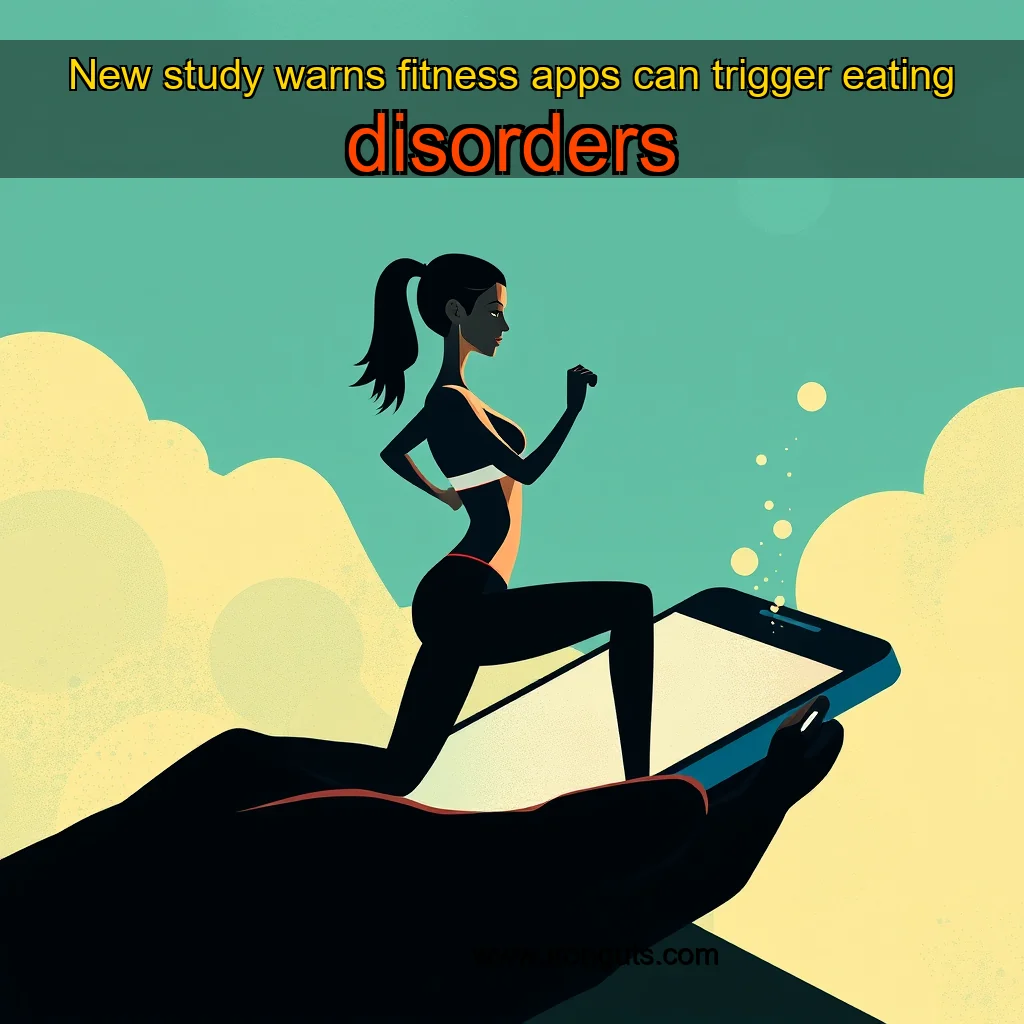
However, the study suggests that these apps may be contributing to the rise of disordered eating among this demographic.
The Rise of Disordered Eating Among Young Adults
The study’s findings have significant implications for the health and wellbeing of young adults. Disordered eating is a serious issue that affects millions of people worldwide. It can have severe physical and mental health consequences, including eating disorders, depression, and anxiety.
The Link Between Health and Fitness Tracking Technology and Disordered Eating
The researchers found that health and fitness tracking technology, such as wearable devices and diet and fitness apps, can have a negative impact on young adults’ eating habits.
A study published in the young adult population found that 75% of participants reported using diet and fitness apps, and 60% of participants reported using these apps for weight loss. The study also found that 75% of participants reported disordered eating symptoms, and 60% of participants reported negative thoughts about body image.
The Rise of Diet and Fitness Apps
In recent years, diet and fitness apps have become increasingly popular among young adults.
The Psychological Impact of Health and Fitness Apps
The psychological impact of health and fitness apps is a crucial aspect that has been largely overlooked in the past. While these apps have become increasingly popular, their effects on users’ mental health and well-being have not been thoroughly explored. Recent studies have shed light on the importance of considering the psychological impacts of these apps, and the responsibility that app developers have in this regard.
The Dark Side of Health and Fitness Apps
The Benefits of Considering Psychological Impacts
Prioritizing mental health is key to overall wellness.
The Importance of Mental Health in Health and Wellness Apps
Mental health is often overlooked in the pursuit of physical fitness, but it is just as crucial for overall well-being. A study published in the Journal of Behavioral Medicine found that individuals who prioritize mental health tend to have better physical health outcomes, including lower rates of chronic diseases and improved cardiovascular health. Key findings of the study include:
+ Lower rates of chronic diseases + Improved cardiovascular health + Better overall physical health outcomes
The Role of Apps in Supporting Mental Health
Health and wellness apps can play a significant role in supporting mental health, but it’s essential to choose apps that prioritize mental well-being alongside physical fitness goals.
The team, led by Dr. Sarah Jones, conducted a systematic review of 32 studies on the use of health and fitness apps.