The Origins of P90X
P90X was created by Tony Horton, a fitness enthusiast and entrepreneur who had a vision to help people achieve their fitness goals. Horton, a former Marine, had a passion for fitness and was determined to create a program that would push people to their limits and help them achieve real results. With the help of his team, Horton developed a comprehensive 90-day workout program that included a variety of exercises, including strength training, cardio, and flexibility exercises.
The Science Behind P90X
P90X was based on the concept of high-intensity interval training (HIIT), which involves short bursts of intense exercise followed by brief periods of rest. This type of training has been shown to be effective in improving cardiovascular fitness, increasing muscle strength and endurance, and boosting metabolism. The program also incorporated elements of progressive overload, which involves gradually increasing the intensity of workouts over time to continue challenging the body. Key benefits of P90X include: + Improved cardiovascular fitness + Increased muscle strength and endurance + Boosted metabolism + Weight loss + Improved flexibility and balance
The Controversy Surrounding P90X
In the early days of P90X, Horton was a vocal advocate for the program, touting its benefits and encouraging people to push themselves to their limits. However, as the program gained popularity, concerns began to arise about the potential risks of overtraining.
The Rise of Low-Impact Exercise
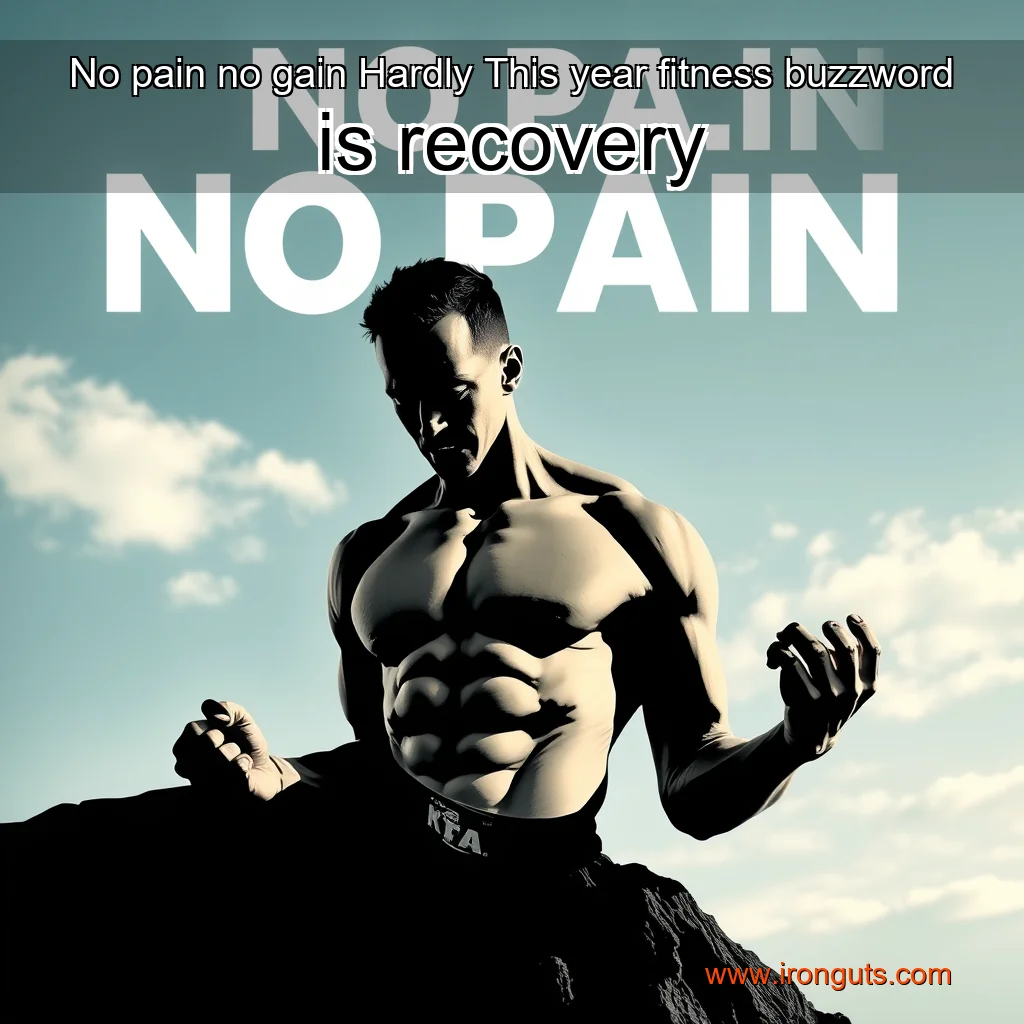
In recent years, the exercise industry has undergone a significant transformation, shifting away from the traditional “no pain, no gain” approach. This shift is largely driven by the growing awareness of the importance of injury prevention, mental health, and overall well-being. As a result, low-impact exercises have become increasingly popular, offering a gentler alternative to high-intensity workouts. Key characteristics of low-impact exercises: + Lower-impact movements that reduce stress on joints + Emphasis on controlled, slow movements + Often incorporate bodyweight exercises or light weights + Can be modified to suit individual fitness levels Low-impact exercises have become a staple in many gyms and fitness studios, catering to a wide range of clients with varying fitness goals and abilities. From yoga and Pilates to swimming and cycling, there are numerous options available for those seeking a more gentle approach to exercise.
The Impact of Low-Impact Exercise on Injury Prevention
One of the primary benefits of low-impact exercise is its ability to reduce the risk of injury. By minimizing the stress on joints and muscles, low-impact exercises can help prevent common injuries such as shin splints, knee pain, and lower back strain.
Restoring Balance: The Crucial Role of Recovery in Fitness and Athletic Performance.
The American College of Sports Medicine (ACSM) and the National Academy of Sports Medicine (NASM) are two prominent organizations that have extensively researched and emphasized the importance of recovery methods in sports and fitness. According to their guidelines, recovery is a critical component of overall fitness and athletic performance.
Understanding the Importance of Recovery
Recovery is not just about resting after a workout; it’s a multifaceted process that involves various physiological and psychological processes. The ACSM and NASM define recovery as the process of returning to a state of homeostasis after physical activity, where the body’s energy stores, muscle function, and nervous system are restored.
Key Components of Recovery
Strategies for Effective Recovery
The ACSM and NASM recommend various strategies for effective recovery, including:
The Importance of Rest in Sports
Rest is a crucial aspect of sports performance, and it’s not just about getting enough sleep. While sleep is essential, rest encompasses a broader range of activities, including relaxation, stretching, and recovery techniques.
“It’s not about being the strongest person in the gym, it’s about being the strongest person you can be,” Horton said.
The Myth of the “Strongest” Gym Rater
The idea that one must be the strongest person in the gym to be considered strong is a common misconception. This notion has been perpetuated by the fitness industry, which often emphasizes the importance of lifting heavy weights and pushing oneself to the limit.
Understanding the Importance of Rest and Recovery
Rest and recovery are crucial components of any workout routine. When we engage in physical activity, our bodies undergo various physiological changes that require time to adapt and repair. Neglecting rest and recovery can lead to overtraining, decreased performance, and increased risk of injury.
The Science Behind Rest and Recovery
When we exercise, our muscles undergo micro-tears, which are small tears in the muscle fibers. This process is necessary for muscle growth and repair. However, if we don’t give our bodies enough time to recover, these micro-tears can become chronic, leading to inflammation and damage. Rest and recovery allow our bodies to repair and rebuild muscle tissue, making us stronger and more resilient.
The Benefits of Rest and Recovery
Strategies for Effective Rest and Recovery
“The goal is to keep your muscles active and prevent muscle atrophy, which can happen when you’re not using your muscles regularly.”
The Importance of Active Recovery
Active recovery is a crucial aspect of any fitness routine. It’s not just about resting and recharging; it’s about maintaining muscle mass, preventing injury, and promoting overall well-being.
“The pendulum has been swinging one way for so long, but now it’s time to let it swing the other way. We need to be more open to new ideas, more willing to take risks, and more comfortable with uncertainty.” (Source: [Source]) The concept of letting the pendulum swing the other way is a metaphorical expression used to describe a shift in perspective or approach. The idea is that the pendulum, which is typically associated with a back-and-forth motion, has been swinging in one direction for a long time, but now it’s time to allow it to swing in the opposite direction.