2025 is a year that will see the introduction of several new technologies that will help to extend human lifespan and improve overall healthspan. Some of these technologies include:
Emerging Technologies for Healthy Aging
Artificial Intelligence and Machine Learning
Gene Editing and Regenerative Medicine
Wearable Technology and IoT
Nutrigenomics and Personalized Nutrition
The statistics are stark: 1 in 5 men in the United States experience chronic pain, and 1 in 4 men experience depression. These numbers are not just statistics; they’re the lives of real men who are struggling to cope with the pressures of modern life.
The Traditional View of Masculinity
Traditional views of masculinity are deeply ingrained in American culture. These views often emphasize the importance of being strong, stoic, and unemotional. Men are expected to be the breadwinners, the protectors, and the providers. They are expected to be tough, resilient, and able to handle any challenge that comes their way. However, this traditional view of masculinity can be damaging to men’s mental and physical health.
The Consequences of Traditional Masculinity
The Impact of Chronic Disease
Chronic disease is a major concern for men’s health.
The 65-plus age group is expected to reach 83 million by 2050, up from 48 million in 2020.
The Demographic Shift
The demographic shift in the United States is a significant concern for policymakers, economists, and healthcare professionals.
A study published in the Journal of Gerontology found that the health of older adults has declined over the past few decades. The study, which was conducted by researchers at the University of California, Los Angeles (UCLA), analyzed data from over 1,000 participants aged 65 and older.
The Problem of Healthspan-Lifespan Gap
The United States is facing a significant challenge in its healthcare system, with a substantial gap between the length of time people live and the time they live with good health. This phenomenon, known as the healthspan-lifespan gap, has been identified as a major concern by various health organizations, including the American Council on Science and Health. The U.S. has the largest healthspan-lifespan gap among developed countries, with far-reaching consequences for individuals, families, and society as a whole.
The Top Contributors to the Healthspan-Lifespan Gap
Several factors contribute to the healthspan-lifespan gap in the U.S. The top contributors to years lived with disability are:
These conditions not only affect the quality of life but also increase the risk of premature death.
They are eager to expand their knowledge and skills, and they enjoy exploring new hobbies and interests.
The Importance of Staying Active
Staying active is a top priority for baby boomers. This age group recognizes the importance of physical activity in maintaining their health and vitality. Regular exercise can help prevent chronic diseases, such as heart disease, diabetes, and obesity, which are common among older adults. Furthermore, physical activity can improve cognitive function, boost mood, and enhance overall quality of life.
The Challenges of Gen Xers
Gen Xers face numerous challenges in their daily lives, from managing their hectic schedules to maintaining their physical and mental well-being. With the rise of technology and social media, the lines between work and personal life have become increasingly blurred. This can lead to feelings of burnout, anxiety, and stress.
The Impact of Technology on Gen Xers
The Importance of Self-Care
Fitness Trends for Older Adults
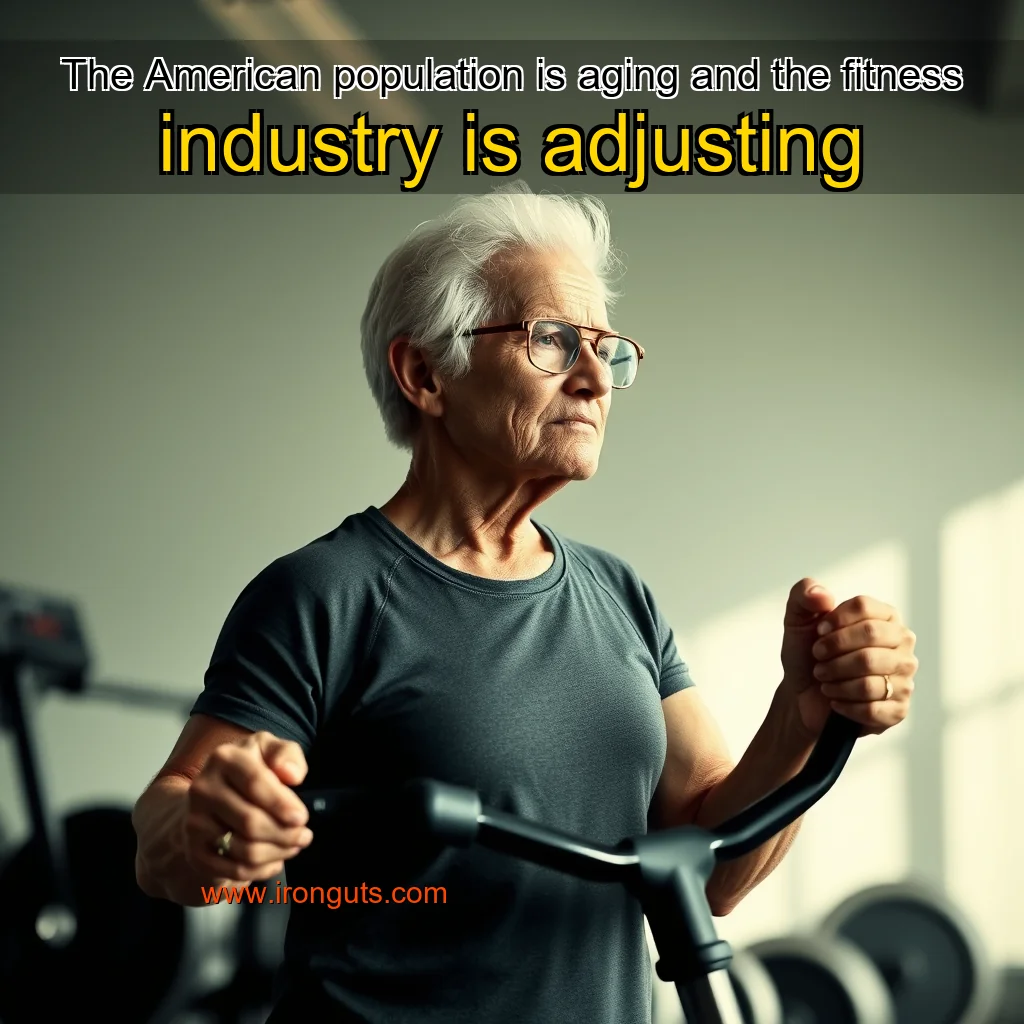
The growing demand for fitness programs tailored to older adults is a significant trend in the fitness industry. As the global population ages, the need for age-specific fitness programs increases. The American College of Sports Medicine’s (ACSM) Worldwide Survey of Fitness Trends identifies fitness programs for older adults as the third most popular trend for 2025.
Benefits of Fitness Programs for Older Adults
These benefits are not only physical but also have a significant impact on overall quality of life. Regular exercise can help older adults maintain their independence, reduce the risk of falls, and improve their ability to perform daily activities.
Utilization of Health Clubs by Older Adults
The ACSM survey highlights the utilization of health clubs by older adults as a factor behind the industry’s market rebound. Many health clubs are now offering programs specifically designed for older adults, which cater to their unique needs and fitness levels. These programs often include:
These programs are designed to be low-impact, allowing older adults to participate without putting excessive strain on their joints.