This is especially important for individuals with pre-existing health conditions, chronic illnesses, or those who are recovering from injuries. A personalized exercise program should be tailored to your specific needs, taking into account your fitness level, goals, and any limitations. This means that the program should be challenging but not overwhelming, and it should be gradually increased in intensity and duration over time. The key to successful exercise is consistency. Regular exercise, even in small amounts, can have significant health benefits. It is important to find a routine that you enjoy and can stick to, as this will increase your chances of success. Exercise can be beneficial for both physical and mental health. It can help improve cardiovascular health, strengthen muscles, increase bone density, and boost mood.
The use of weightlifting belts can be beneficial for all fitness levels.
This pressure helps to stabilize the core, improve posture, and enhance performance. Weightlifting belts are designed to be worn during weightlifting exercises, particularly those that involve heavy loads and compound movements. They are not intended for everyday use or for activities that do not require core stability. The use of a weightlifting belt can be beneficial for individuals of all fitness levels, from beginners to experienced lifters. It can help to improve core strength, reduce the risk of injury, and enhance overall performance. Weightlifting belts are typically made of strong, durable materials like leather or nylon. They are designed to withstand the high loads and stresses associated with weightlifting. The use of a weightlifting belt is not without its limitations.
Weightlifting belts come in various styles and materials, each with its own strengths and weaknesses. Here’s a breakdown of the key points:
- Stabilization and Spinal Support:** Explain how belts provide support and how it’s different from other forms of support.
**
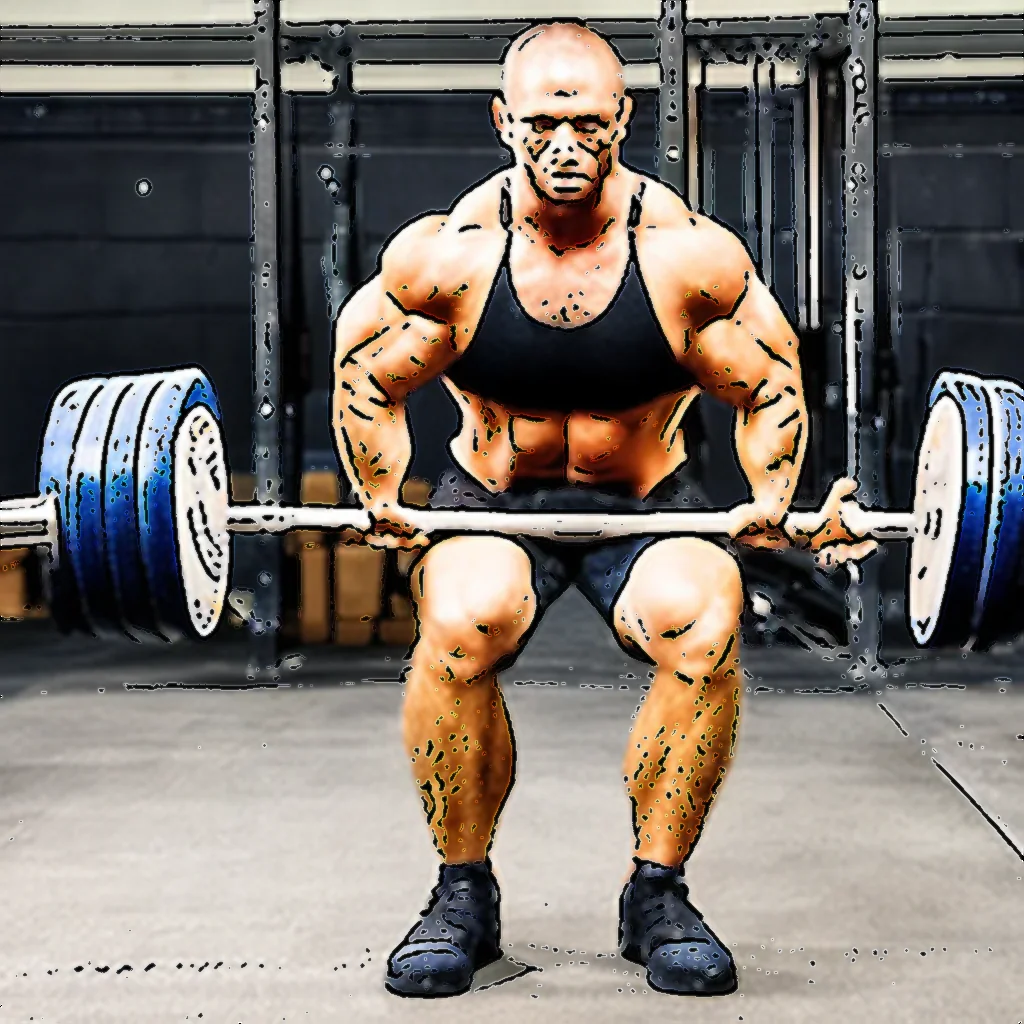
The author’s approach to weightlifting emphasizes a meticulous attention to technique, particularly during the warm-up phase. They believe that a proper warm-up is crucial for preparing the body for the demands of heavier weights. This involves engaging in exercises that focus on breathing and bracing, which are essential for maintaining proper form and preventing injuries. The author highlights the importance of these exercises, stating that they allow them to train breathing and bracing without the use of a weightlifting belt.**
High-quality leather belts are ideal for firefighters and other first responders who engage in prolonged physical activity. Their strength and durability make them a wise investment for individuals who prioritize long-term fitness goals. These belts provide excellent core support, which is essential for maintaining proper lifting form and minimizing the risk of injuries during heavy-duty tasks.**
The world of weightlifting belts offers a variety of options, each designed to cater to specific needs and training styles. Among these, prong belts stand out as a popular choice for athletes engaging in explosive movements. Unlike traditional dress belts, prong belts feature a unique design that utilizes one or two prongs to secure the belt around the waist. This distinctive feature allows for a more secure and stable fit, particularly during high-intensity exercises. The use of prongs in prong belts provides a crucial advantage for athletes performing explosive movements like the clean and press or snatch. These exercises demand rapid acceleration and powerful bursts of energy, requiring a belt that can withstand the strain and maintain its position.This is particularly important for exercises that require stability and control, such as squats, deadlifts, and bench presses. Consistent tightness also helps prevent injuries by reducing the risk of muscle imbalances and joint strain. Consistent tightness is crucial for achieving optimal performance and maximizing muscle growth.
**
The summary provided focuses on the advantages of using soft materials in various applications, particularly in the context of comfort and durability. Key points:
The use of soft materials in various applications has become increasingly prevalent due to their inherent advantages. One of the most significant benefits is their ability to enhance comfort, particularly during extended wear.Beginners should opt for a thicker belt, while experienced practitioners should choose a thinner belt. Thicker belts offer more support and stability, while thinner belts provide more flexibility and maneuverability. The summary provided is a brief introduction to the topic of choosing the right belt for training. It highlights the importance of considering the belt’s thickness and skill level when making a purchase.
This summary is discussing different types of weightlifting belts and their suitability for different lifter types. Here’s a breakdown of the summary:
- **Belt Types:** The summary starts by introducing the different types of weightlifting belts available. 2. **Suitability by Lifting Experience:** The summary then focuses on the suitability of different belt types based on lifter experience. 3. **Belt Thickness and Lifter Types:** The summary concludes by explaining how belt thickness affects lifter experience. **Detailed Explanation of Each Point:**
1. Belt Types:
Weightlifting belts come in various thicknesses, each offering specific benefits and drawbacks. * **5mm Belts:** These are the most commonly used belts for beginners. They are lightweight and provide a modest level of support, making them suitable for individuals who are just starting out with weightlifting.
The Importance of Fitness for First Responders
First responders face unique challenges and demands on their bodies. Their jobs require them to be physically fit, capable of handling high-stress situations and performing demanding tasks. This is why fitness is crucial for their well-being and effectiveness. Building a Home Gym for First Responders
Joshua Lee, a renowned fitness expert, will guide you through the process of creating a home gym that caters to the specific needs of first responders.