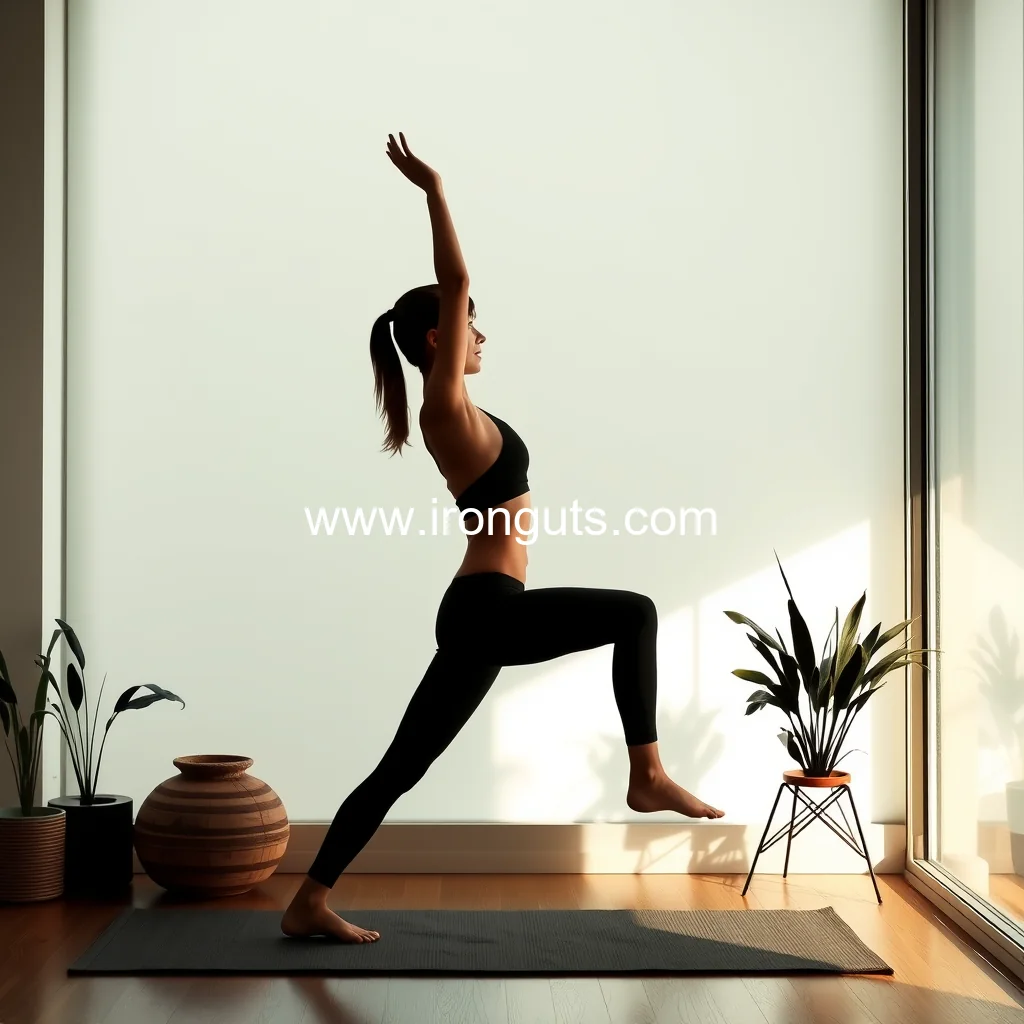
Here are some of the best home workouts for you to try:
Home Workout Routines for Beginners
If you’re new to working out, it’s essential to start with simple and effective routines that can be done from the comfort of your own home. Here are some beginner-friendly home workout routines:
Bodyweight exercises: Squats, push-ups, lunges, and planks are great exercises that work multiple muscle groups at once. Yoga: Start with simple yoga poses like downward-facing dog, warrior, and tree pose. High-intensity interval training (HIIT): This involves short bursts of intense exercise followed by brief periods of rest. ## Benefits of Home Workouts**
Benefits of Home Workouts
Home workouts offer numerous benefits, including:
Convenience: You can work out at any time of day, in the comfort of your own home. Cost-effective: No need to pay for gym memberships or equipment. Reduced stress: Exercise releases endorphins, which can help reduce stress and anxiety. * Increased energy: Regular exercise can boost your energy levels and improve your overall health. ## Home Workout Routines for Advanced Users**
Home Workout Routines for Advanced Users
If you’re already familiar with working out, you can try more challenging routines that target specific muscle groups or improve flexibility. Here are some examples:
Pilates: Focuses on core strength, flexibility, and body control.
These exercises can be done anywhere, anytime, and are suitable for people of all ages and fitness levels.
Benefits of Bodyweight Exercises
Bodyweight exercises offer numerous benefits, including:
Improved strength and muscle tone
Increased flexibility and mobility
Enhanced cardiovascular fitness
Reduced risk of injury
Increased caloric burn
These benefits can be achieved through a variety of bodyweight exercises, including:
Squats
Push-ups
Lunges
Planks
Glute bridges
How to Get Started
Getting started with bodyweight exercises is easy. Here are some tips to help you get started:
Start slow: Begin with short workouts and gradually increase the duration and intensity as you become more comfortable. Focus on form: Pay attention to proper form and technique to avoid injury and get the most out of your workout. Incorporate variety: Mix up your routine with different exercises and variations to keep things interesting and prevent plateaus. * Make it a habit: Incorporate bodyweight exercises into your daily routine, such as doing a quick workout during commercial breaks while watching TV.
Repeat for 15-20 minutes.
Introduction
High-intensity interval training (HIIT) is a type of workout that has gained popularity in recent years due to its effectiveness in improving cardiovascular health and burning calories. HIIT involves short bursts of high-intensity exercise followed by brief periods of rest.
Here are some tips to incorporate resistance bands into your yoga practice:
Benefits of Resistance Bands in Yoga
Resistance bands are lightweight, portable, and inexpensive, making them an ideal accessory for yoga practitioners. They can be used to add resistance to various yoga poses, helping to build strength and improve flexibility.
High-intensity interval training (HIIT): Incorporate short bursts of intense exercise into your routine, such as sprinting or burpees.
The Importance of Core Strengthening
A strong core is essential for overall fitness and well-being. It serves as the foundation for many exercises and activities, providing stability and support for the body. A weak core can lead to poor posture, back pain, and decreased athletic performance.
Benefits of Core Strengthening
Improves posture and reduces back pain
Enhances athletic performance and reduces injury risk
Supports overall core stability and balance
Boosts metabolism and aids in weight loss
Core Strengthening Exercises
Some effective core strengthening exercises include:
Planks: Hold a plank position for 30-60 seconds, rest for 30 seconds, and repeat for 3-5 sets. Bicycle crunches: Perform 15-20 reps, rest for 30 seconds, and repeat for 3-5 sets. Leg raises: Lift legs 6-8 inches off the ground, hold for 1-2 seconds, and repeat for 15-20 reps, rest for 30 seconds, and repeat for 3-5 sets.
The Benefits of Stretching
Stretching is a simple yet effective way to improve your overall health and well-being. It can be done anywhere, at any time, making it a convenient option for those with busy schedules.
Why Stretching is Important
Improves flexibility and range of motion
Reduces muscle soreness and inflammation
Helps prevent injuries and strains
Enhances athletic performance
Lowers blood pressure and improves circulation
How to Incorporate Stretching into Your Routine
Start with short sessions (5-10 minutes) and gradually increase duration as you become more comfortable
Focus on major muscle groups, such as hamstrings, quadriceps, and hip flexors
Incorporate dynamic stretches, such as leg swings and arm circles, to warm up before exercise
Hold static stretches for 15-30 seconds to maximize relaxation of muscles
Stretch after exercise or at the end of the day to help with recovery
Tips for Effective Stretching
Listen to your body and stop if you experience any pain or discomfort
Breathe deeply and naturally while stretching to help relax muscles
Avoid bouncing or jerking movements, which can cause injury
Stretch regularly to maintain flexibility and prevent muscle imbalances
Conclusion
Incorporating stretching into your daily routine can have a significant impact on your overall health and well-being. By understanding the benefits and incorporating stretching into your routine, you can improve your flexibility, reduce muscle soreness, and enhance your athletic performance.
Moneycontrol News