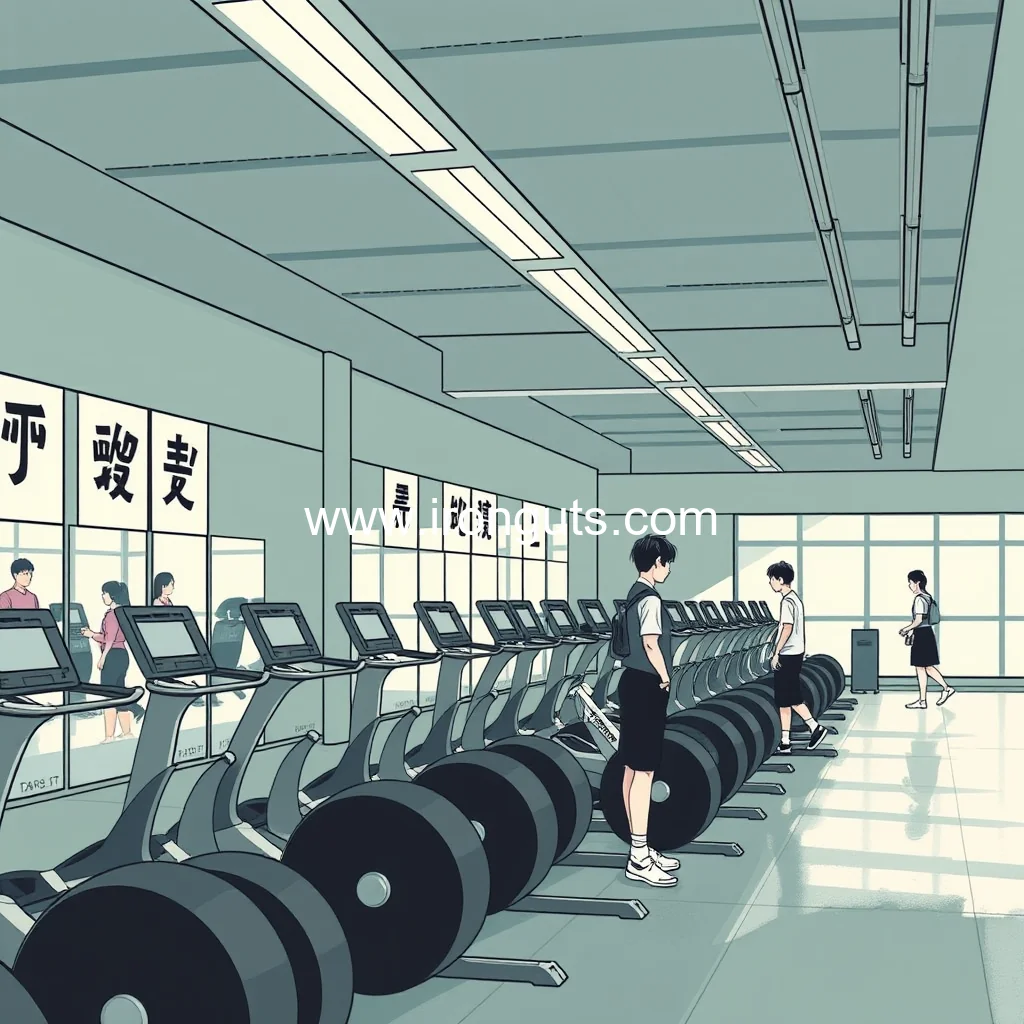
Mastering Japanese gym etiquette : Your ultimate guide to fitting in

Artistic representation for Mastering Japanese gym etiquette : Your ultimate guide to fitting in

Understanding Japanese Gym Etiquette

Japanese gym culture is known for its unique blend of tradition and modernity. To navigate this environment effectively, it’s crucial to grasp the basics of Japanese gym etiquette. Here are some key points to consider:

  • Dress modestly: Avoid wearing revealing clothing, such as tank tops or short shorts. Opt for comfortable, modest clothing that covers your shoulders and knees. Remove shoes: In most Japanese gyms, it’s customary to remove your shoes before entering the gym area. You’ll usually find shoe racks or slippers provided. Respect personal space: Be mindful of your surroundings and avoid standing too close to others. Give people enough space to work out comfortably. ## Essential Gym Bag Items**
  • Essential Gym Bag Items

    A well-stocked gym bag can make all the difference in your fitness journey. Here are some must-have items to consider:

  • Water bottle: Stay hydrated throughout your workout with a refillable water bottle.

    The Cultural Significance of Japanese Gyms

    Japanese gyms, also known as “yoga gyms” or “fitness centers,” have a unique cultural significance that sets them apart from Western-style gyms. While the concept of working out is universal, the way it’s approached and the atmosphere of these gyms are deeply rooted in Japanese culture.

    Traditional Values

    Japanese gyms often reflect traditional values such as respect for elders, modesty, and community. Members are expected to dress modestly and avoid revealing clothing, which is seen as a sign of respect for others. This cultural norm is deeply ingrained in Japanese society, where modesty is highly valued. In Japan, the concept of “honne” and “tatemae” is relevant here. Honne refers to one’s true feelings, while tatemae refers to the social mask one wears in public. In the context of gyms, this means that members are expected to present a respectful and modest image, even if they’re not feeling it.

    Group Fitness Classes

    Japanese gyms often offer group fitness classes, which are an integral part of the culture. These classes are usually led by experienced instructors who teach a variety of exercises, including yoga, Pilates, and strength training. Members are encouraged to participate and interact with each other, creating a sense of community and camaraderie. Group fitness classes are a great way to meet new people and make friends.

    Gym Etiquette: A Guide to Respectful Exercise

    Understanding the Rules

    When visiting a gym, it’s essential to familiarize yourself with the rules and regulations. This includes understanding what is and isn’t allowed on the gym floor.

    Mastering Japanese Gym Etiquette for a Respectful and Enjoyable Experience.

    The Art of Japanese Gym Etiquette

    Understanding the Basics

    Japanese gyms, also known as “gym” or “fitness center,” are a staple of modern fitness culture. However, unlike Western gyms, Japanese gyms tend to have a more subdued atmosphere. This is largely due to the country’s cultural values, which emphasize respect for others and a strong sense of community.

    Key Principles of Japanese Gym Etiquette

    To navigate the world of Japanese gyms, it’s essential to understand the basics of etiquette. Here are some key principles to keep in mind:

  • Respect for others: Japanese gyms are designed to promote a sense of community and respect among members. Avoid loud noises, strong perfumes, and other behaviors that might disturb others. Cleanliness: Japanese gyms take pride in their cleanliness. Make sure to wipe down equipment after use, and avoid leaving trash or dirty clothes behind. Personal space: Japanese culture values personal space, so try to avoid standing too close to others while working out. A good rule of thumb is to maintain a distance of at least 1-2 meters (3-6 feet). * Equipment etiquette: Familiarize yourself with the equipment and follow the manufacturer’s instructions. Avoid hogging equipment or using it for extended periods without cleaning it first. ### Common Mistakes to Avoid**
  • Common Mistakes to Avoid

    While Japanese gyms are generally well-organized and clean, there are some common mistakes to avoid:

  • Not cleaning equipment: Failing to wipe down equipment after use can lead to the spread of germs and bacteria.

    The Importance of a Supportive Gym Environment

    When it comes to working out, a gym can be a daunting place, especially for those who are new to exercise or struggling with injuries. A supportive gym environment can make all the difference in helping you reach your fitness goals. In this article, we’ll explore the importance of finding a gym that provides a comfortable and supportive space for your workouts.

    Key Features of a Supportive Gym Environment

  • Personalized attention from trainers and staff
  • Access to specialized services like physiotherapy and massage therapy
  • A welcoming and inclusive atmosphere
  • State-of-the-art equipment and facilities
  • A sense of community and accountability
  • Benefits of a Supportive Gym Environment

    A supportive gym environment can have a significant impact on your fitness journey. Here are some benefits you can expect:

  • Improved motivation and engagement
  • Enhanced physical performance and recovery
  • Increased confidence and self-esteem
  • Better overall well-being and mental health
  • A sense of belonging and connection with others
  • Finding the Right Gym for You

    With so many gyms to choose from, it can be overwhelming to find the right one. Here are some tips to help you find a gym that provides a supportive environment:

  • Research online and read reviews from other members
  • Visit the gym in person to get a feel for the atmosphere
  • Ask about their services and facilities
  • Meet with a trainer or staff member to discuss your goals and needs
  • Pay attention to how you feel when you’re there – do you feel comfortable and supported? ## Conclusion
  • Conclusion

    Finding a gym that provides a supportive environment is crucial for your fitness journey.

    Finding the right fitness group in Tokyo to suit your needs and preferences.

    For those who prefer individualized training, personal trainers can be hired to create customized workout plans.

    Getting Started with Fitness in Tokyo

    Choosing the Right Fitness Group

    When selecting a fitness group, consider the following factors:

  • Fitness level: Choose a group that caters to your fitness level, whether you’re a beginner or an experienced athlete. Interests: Select a group that aligns with your interests, whether it’s running, team sports, or individualized training. Schedule: Ensure the group’s schedule fits your lifestyle, whether it’s early morning, lunch breaks, or evening sessions. ### Finding the Right Fitness Group**
  • Finding the Right Fitness Group

    To find the right fitness group, consider the following options:

  • Online research: Search for fitness groups in Tokyo using online directories or social media platforms. Word of mouth: Ask friends, colleagues, or acquaintances for recommendations. Local gyms: Visit local gyms or fitness centers to inquire about available groups. ### Preparing for Your First Workout**
  • Preparing for Your First Workout

    Before attending your first workout, consider the following:

  • Dress code: Wear comfortable clothing and shoes suitable for the activity. Hydration: Bring water or a sports drink to stay hydrated during the workout.

    Understanding Japanese Fitness Etiquette

    When it comes to working out in Japan, it’s essential to be aware of the local customs and etiquette to avoid any misunderstandings or unintended offense. Here are some key points to consider:

  • Dress modestly: Japan is a modest society, and you should dress accordingly when visiting gyms or fitness studios. Avoid revealing clothing, and opt for comfortable, breathable fabrics. Remove shoes: In many Japanese gyms and fitness studios, it’s customary to remove your shoes before entering the facility. This is especially true for onsen (hot springs) and public baths. Respect for elders: In Japan, older individuals are highly respected.

    news

    news is a contributor at IronGuts. We are committed to providing well-researched, accurate, and valuable content to our readers.


    You May Also Like

    Artistic representation for The Wellness Edit : fitness challenges the good the bad the ugly

    The Wellness Edit : fitness challenges the good the bad the ugly

    Types of Fitness ChallengesThere are several types of fitness challenges that cater to different interests and goals. Some of the...

    Artistic representation for Early Black Friday fitness deals : 51 off trackers equipment

    Early Black Friday fitness deals : 51 off trackers equipment

    Fitness enthusiasts can snag significant discounts on fitness trackers and smartwatches on Black Friday. Early Black Friday Deals for Fitness...

    Artistic representation for Key Developments Shaping the Corporate Workforce Development Training Market in 2024 Cardinal Courier

    Key Developments Shaping the Corporate Workforce Development Training Market in 2024 Cardinal Courier

    Shifting to flexible and adaptive training models to meet the evolving needs of the modern workforce. In this article, we...

    Artistic representation for Meet the 65 year old fitness trainer who has taken her community by storm

    Meet the 65 year old fitness trainer who has taken her community by storm

    The Rise of ShireStrongShireStrong has been making waves in the local fitness scene since its inception in 2018. Founded by...

  • About news

    Expert in tools diy with years of experience helping people achieve their goals.

    View all posts by news →

    Leave a Reply

    About | Contact | Privacy Policy | Terms of Service | Disclaimer | Cookie Policy
    © 2026 IronGuts. All rights reserved.